
The landscape of Kenya is changing. From the bustling hubs of Nairobi to the rapidly expanding residential corridors of Machakos County and Mlolongo, a new architectural vernacular is emerging. It is a style that balances the sleek lines of contemporary design with the rugged, vibrant soul of the African savanna. At Shama Landscape Architects, we believe that a house is not merely a structure of stone and mortar; it is an ecosystem.
In this deep dive, we explore how thoughtful landscape architecture transforms a standard residential maisonette into a sustainable sanctuary.
1. The Context: Why Mlolongo and Machakos Demand Special Design
Designing in the "Contemporary African Suburban" context requires a deep respect for the environment. Regions like Mlolongo experience intense equatorial sun and distinct seasonal rains. A "copy-paste" European garden simply won't survive here without wasting precious water.
The Power of "Kenyan Daylight"
In our recent visualizations, we emphasize the use of architectural purple, greige, and charcoal grey. These colors aren't just aesthetic choices; they interact with the unique "Kenyan Daylight"—which is high-contrast and warm—to create depth. A charcoal grey feature wall in a garden doesn't just look modern; it provides a neutral backdrop that makes the deep greens of indigenous Acacia or Yellow Fever Trees pop.
2. Water Stewardship: Beyond the Green Lawn
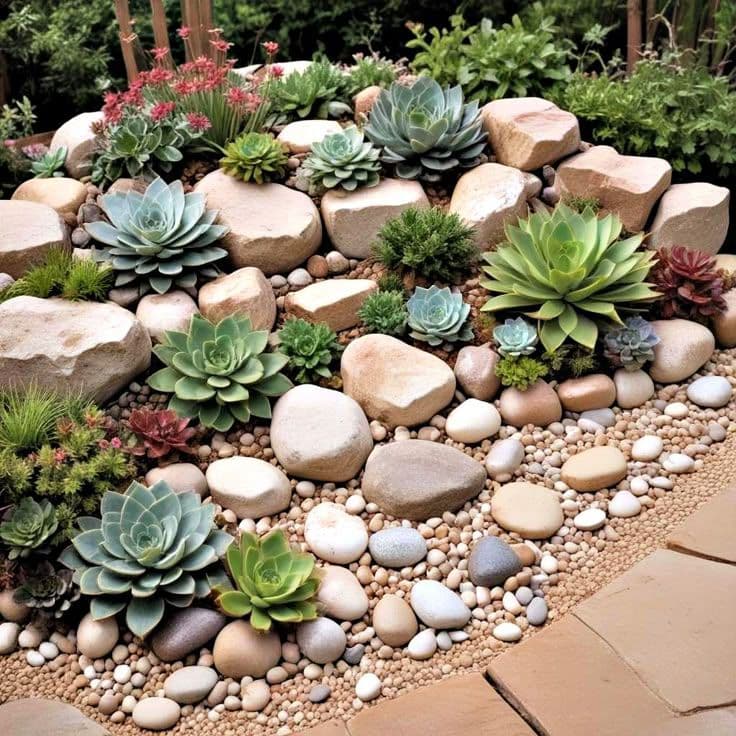
The traditional "English Lawn" is a luxury the modern Kenyan climate can no longer afford. Sustainable landscaping in Machakos focuses on Xeriscaping—designing with slow-growing, drought-tolerant plants.
- Bioswales: Instead of hiding drainage pipes, we design decorative dry creek beds using local river stones. During the rains, these swales direct water into underground storage tanks or rain gardens, preventing erosion and recharging the local water table.
- Permeable Paving: By using gravel paths or "grass blocks" for driveways, we ensure that every drop of rain soaks into the earth rather than running off into the street.
3. The Multi-Sensory Garden: Form Meets Function
A Shama-designed landscape is built to be experienced, not just viewed. For a residential maisonette, we divide the outdoor space into "rooms":
The Social Heart (The Deck)
Utilizing composite wood or local hardwood, we create transition zones between the living room and the garden. This is where the architectural purple accents come in—perhaps in the upholstery of outdoor seating or a subtle lighting glow—creating a sophisticated evening ambiance.
The Productive Patch
Sustainability also means food security. We integrate "Edible Landscapes" where herbs like rosemary and lavender serve as fragrant borders, while fruit trees provide shade and nourishment.
4. Biodiversity and Local Ecology
A garden should be a haven for local birdlife and pollinators. By selecting indigenous Kenyan flora, we reduce the need for chemical pesticides and fertilizers. The local birds don't just add a soundtrack to your morning coffee; they are a vital part of a healthy urban environment.
5. Technology in the Garden: The Sanity Connection
As we build the Shama Website, we are using tools like Sanity.io to document these transformations. By cataloging the "Before and After" of our projects in Mlolongo, we provide homeowners with a roadmap for their own sustainability journey. Our "Journal" isn't just a blog; it's an educational resource for the next generation of Kenyan developers.
Conclusion: Building for 2026 and Beyond
Landscape architecture is the final, most crucial layer of residential design. It is what grounds a building in its site. Whether you are moving into a new maisonette in Machakos or renovating an older property in Nairobi, the goal remains the same: to create a space that breathes, sustains, and inspires.
At Shama Landscape Architects, we don't just plant trees; we design legacies.